Advantages of the OC29 high-speed camera
-
Monitor and analyze processes in a targeted manner
-
Easily identify issues with minimal effort
-
Minimize equipment downtime
-
Significantly reduce or completely eliminate waste
-
Use videos to further document quality and/or process flows
-
Document all assembly steps in full
-
Effectively boost productivity
-
Sustainably optimize cycle times
-
Minimize changeover times efficiently
-
Specially designed for process monitoring
-
Simple, intuitive operation with no training required
-
All basic functions are readily available
-
Smart Additional Features
-
Significant cost savings
When the human eye can't keep up: When errors creep into high-speed industrial processes, it's always frustrating. Moreover, due to the speed of the process, it's often not easy to identify the cause, especially if the malfunction can't be reproduced.
Production must stop, costs rise, and in the worst case, the entire batch is scrapped. Even more trouble looms if subsequent processes are also affected by the malfunction.
Don’t waste valuable time – we make it easy!
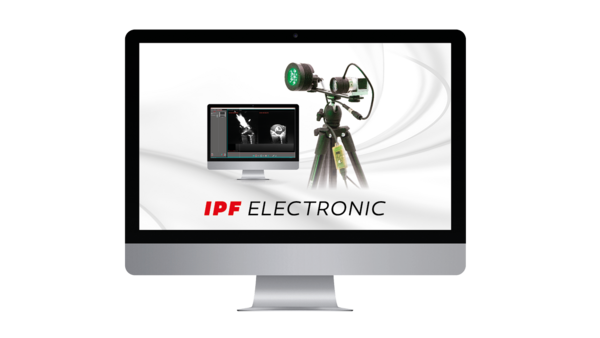
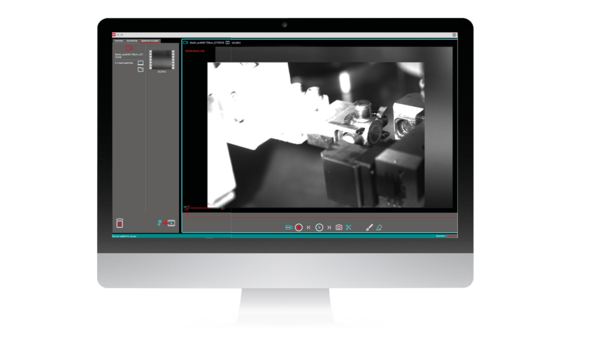
The high-speed cameras in the OC29-series are extremely compact and can be mounted in almost any application. Thanks to the intuitive, free software, the system is ready to use right away—without the need for lengthy training. Transfer recordings to a PC via a USB 3.0 connection and start viewing and analyzing them immediately.
What are the advantages of the OC29 high-speed camera compared to a dashcam,
action camera, or an expensive ultra-high-speed camera?
Here are some compelling reasons to choose the OC29 high-speed camera:
Faster: The system delivers impressively high frame rates (fps – frames per second) ranging from 750 to 1,000 fps, compared to a maximum of just 240 fps for action cameras, for example.
More cost-effective: Use of standard lenses (cameras with C-mount lens connections) for the best image quality.
More flexible: Easy selection of desired image sections and/or simultaneous viewing of multiple recordings during review and analysis.
More versatile: A wide variety of trigger options (via PLC, a sensor, or manually).
Continuous recording to a ring buffer (oldest recordings are overwritten).
Event-driven storage of recording sequences upon error detection, e.g., via a PLC signal (previously recorded footage including the error event is permanently saved).
Recordings can be played back in slow motion or as a single frame during analysis.
Simpler: Intuitive software requiring no training, instead of conventional and often complex image processing programs that were not developed for process monitoring.
More economical: Far more cost-effective than ultra-high-speed cameras, which are technically over-engineered and very expensive for process monitoring.
Highlights
- Faster
- More cost-effective
- More flexible
- More versatile
- Simpler
- More economical
The right camera for every situation, whether for black-and-white or color photography.
OC299721
monochrome, 220 fps / resolution 1440 x 1080
OC299725
monochrome, 750 fps, resolution 640 x 480
OC299825
color, 750 fps, resolution 640 x 480
Easy to expand
Do you need to view a process from multiple angles at the same time? Nothing could be easier! With the extension cameras for synchronized recording from different angles:
OC299726
monochrome, 750 fps, resolution 640 x 480.
Add-on camera for OC299721 and OC299725
OC299826
colored, 750 fps, 640 x 480
Add-on camera for OC299825
The Highlights
- Extremely compact industrial cameras for space-saving installation
- Free software for recording, playback, and further processing
- Flexible choice of capture mode (monochrome/color) and resolution
- Simultaneous capture from different perspectives using additional cameras
- Cost-effective use of standard lenses
- Immediate start to analysis with intuitive, free software
- A wide variety of trigger functions (via PLC, sensors, or manually)
- System specifically developed for process monitoring
Get started right away – reach your goal quickly. Thanks to the intuitive software interface with its clearly arranged functional elements, the OC29 is ready for use in just a few steps. Software features designed specifically for process monitoring are available for easy recording control, image processing, and further processing.
Only what you really need! Separate training is available, but not required!
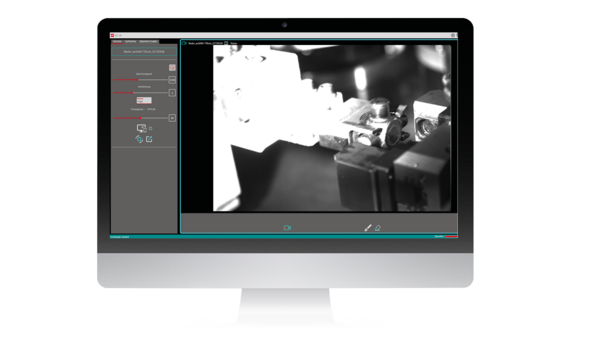
Recordings
Just a few clicks to start recording.
Instead of wasting a lot of time navigating a potentially cluttered and complicated user interface, this free software is ready to record in just a few simple steps. Key features:
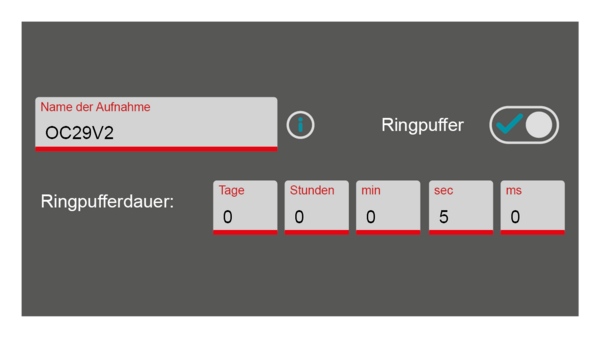
Recording modes: Choose between recording for a predefined duration starting from the moment you begin, or continuous recording to a looping buffer (the oldest recordings are automatically overwritten).
The Highlights
- No unnecessary software features that complicate use
- Flexible choice between recording time and ring buffer
- Event-driven recording via flexible trigger functions
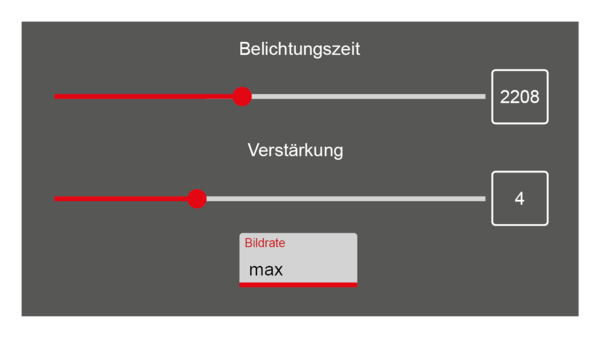
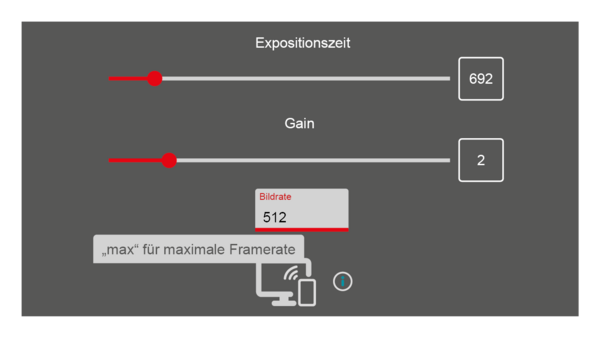
(via PLC, sensor, or manually) - Easy brightness adjustment via camera lens, camera chip and software
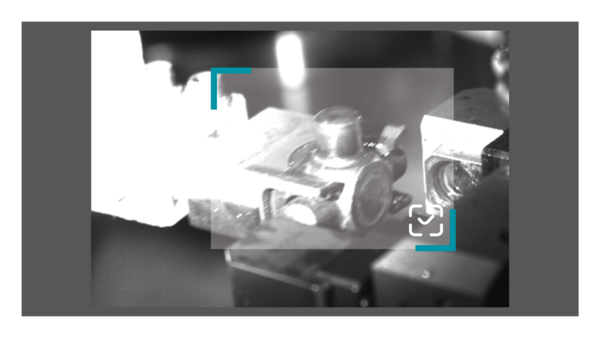
- Targeted process monitoring through flexibly adjustable
image format and image rotation - Best possible results through easy adjustment of the required frame rate

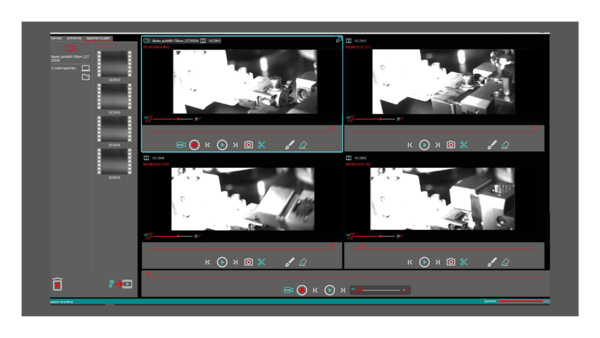
The Highlights:
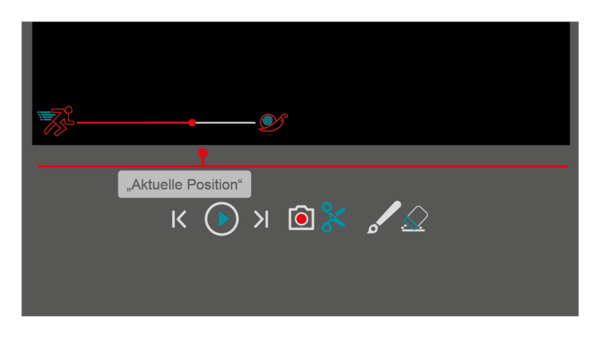
- Easy navigation thanks to a simple, intuitive user interface
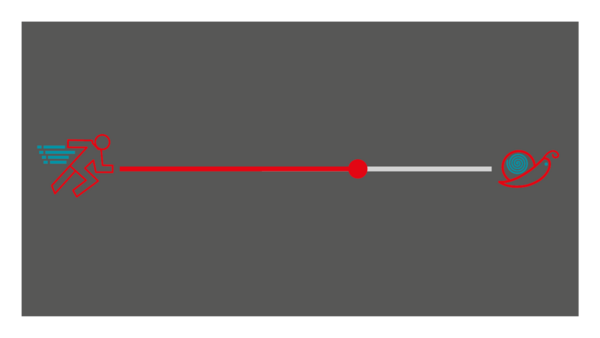
- Flexible adjustment of playback speed during viewing
- Single-frame mode for frame-by-frame viewing
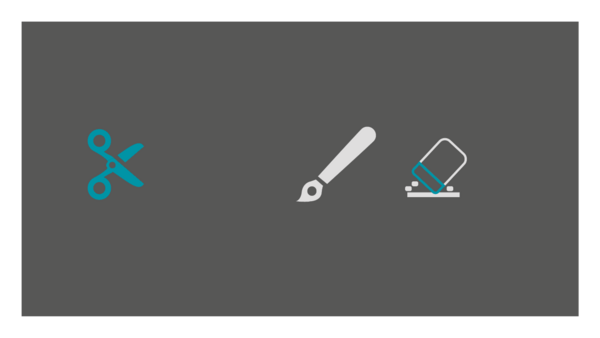
- Seamless editing (e.g., using the cut function) and analysis of the recording
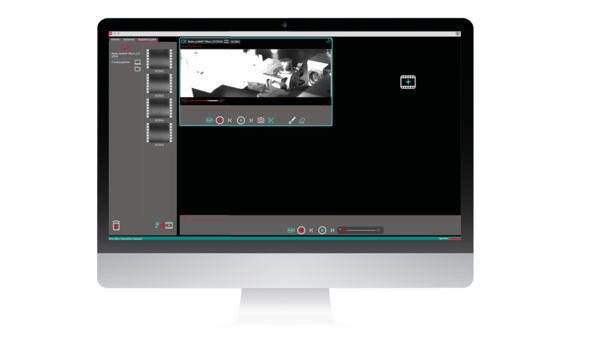
- Display multiple recordings simultaneously and compare them with each other
- Individual synchronization of individual recordings during playback
Share, Save, Export, and More
Easy collaboration, comprehensive documentation.
Recordings created with the OC29 can be easily shared with others for collaboration and saved for documentation purposes.
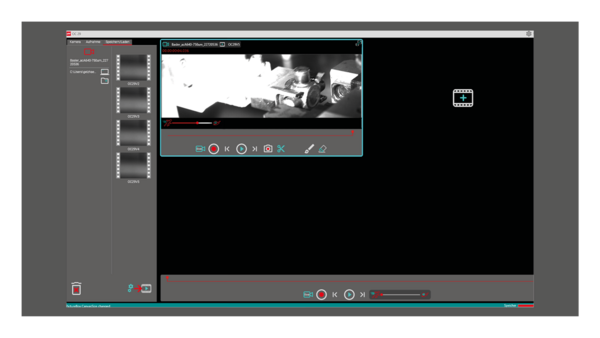
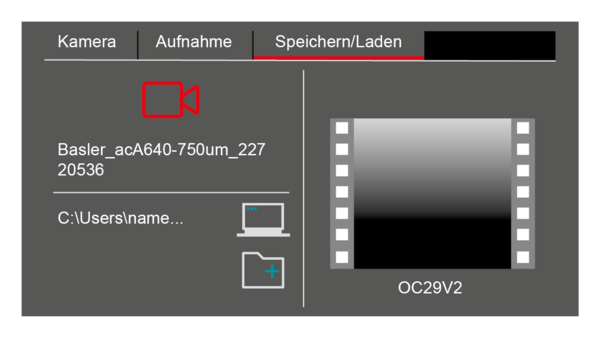
Several options are available for this: saving to temporary or permanent video data (recording slots) or exporting a recording to a video file (AVI format).
Recording slots: Work quickly and conveniently with the recordings at the highest possible image quality.
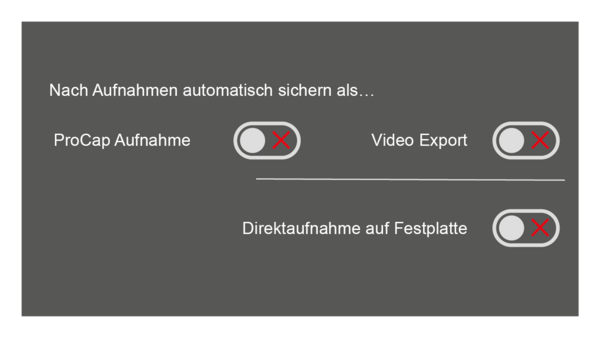
The Highlights
- Complete documentation of all important recordings
- Easy sharing of recordings, for example via email or saving to a network drive,
USB flash drive, etc. - Complete documentation of all important recordings
- Easy selection of the storage location for recordings: “Standard” (default)
or “Custom” (custom file path) - Convenient export of a recording to a space-saving and widely compatible video file
(AVI format) including all metadata
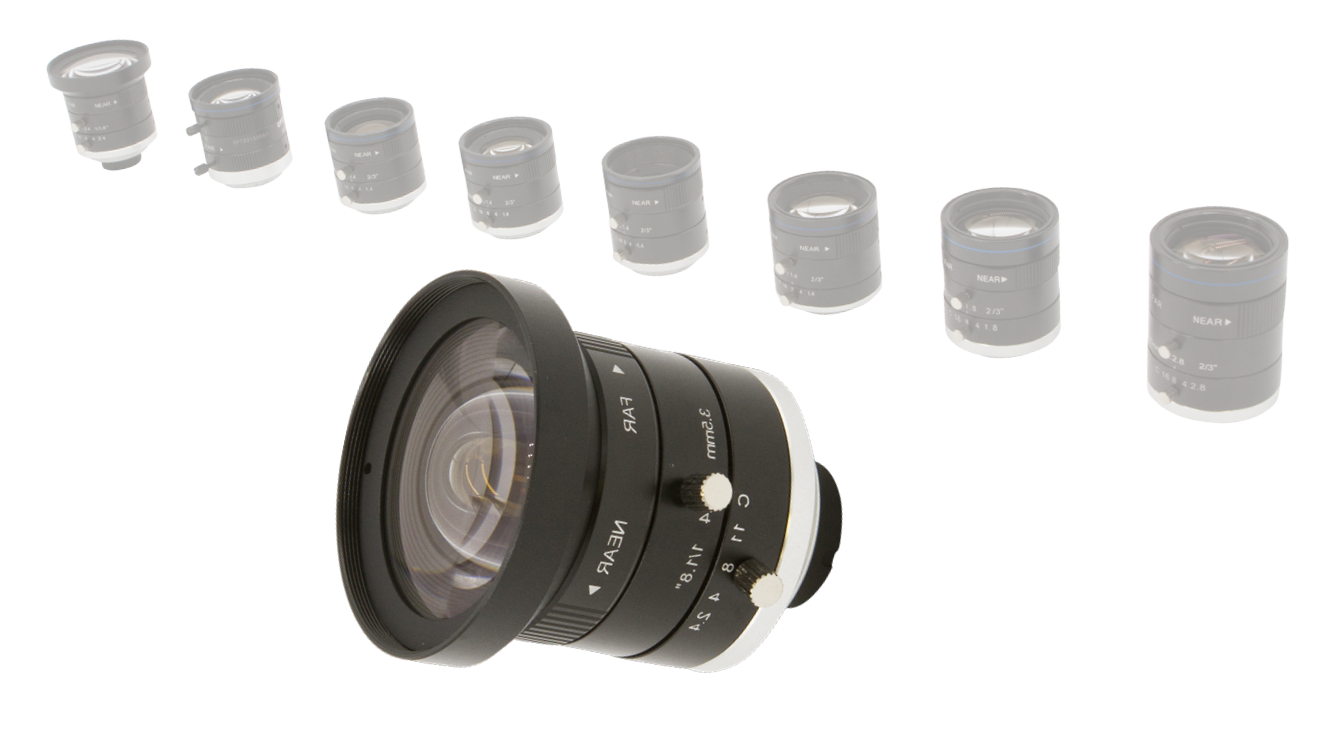
Perfectly rendered: A wide selection of C-Mount lenses: off-center (e.g., AO000583), telecentric (e.g., AO000479) and more available upon request.
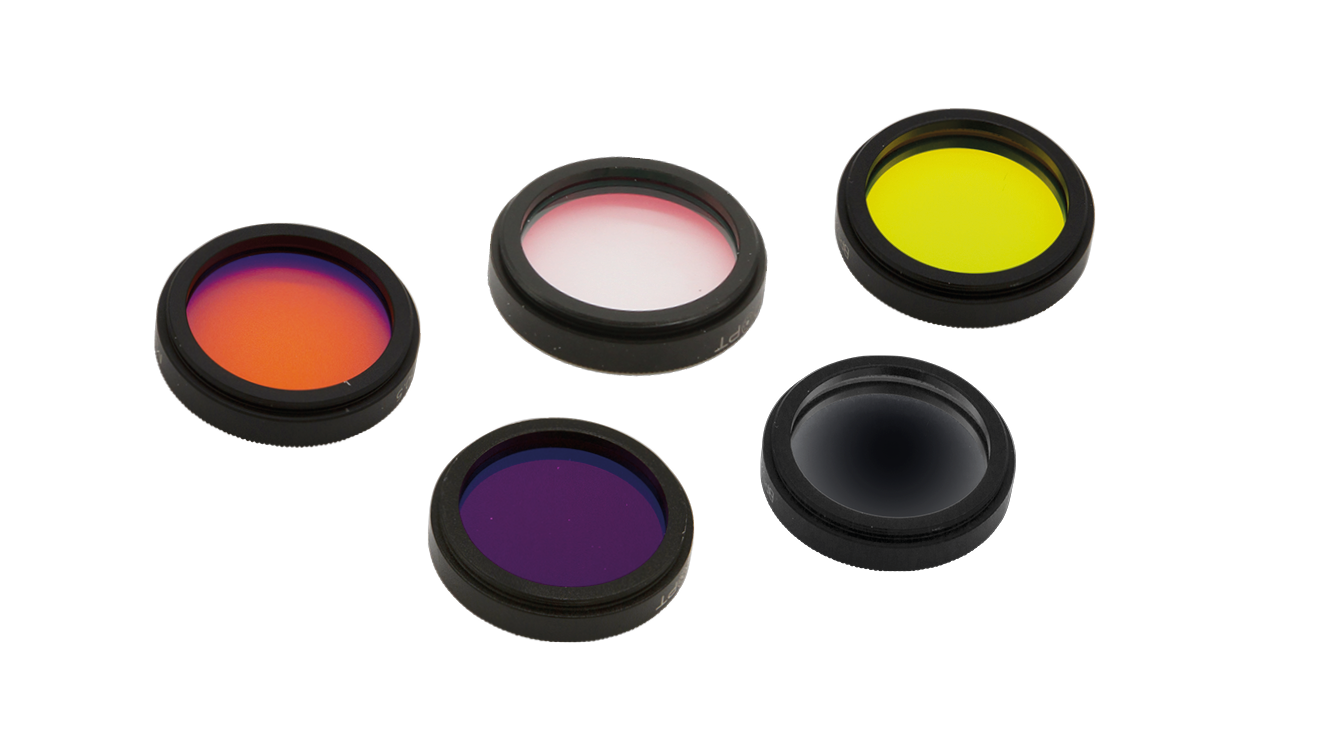
Perfectly filtered: A very wide selection of lens filters (e.g., AO000611) to control the wavelengths of transmitted light for optimal image quality (important for preventing overexposure, e.g., during plasma welding or laser cutting)
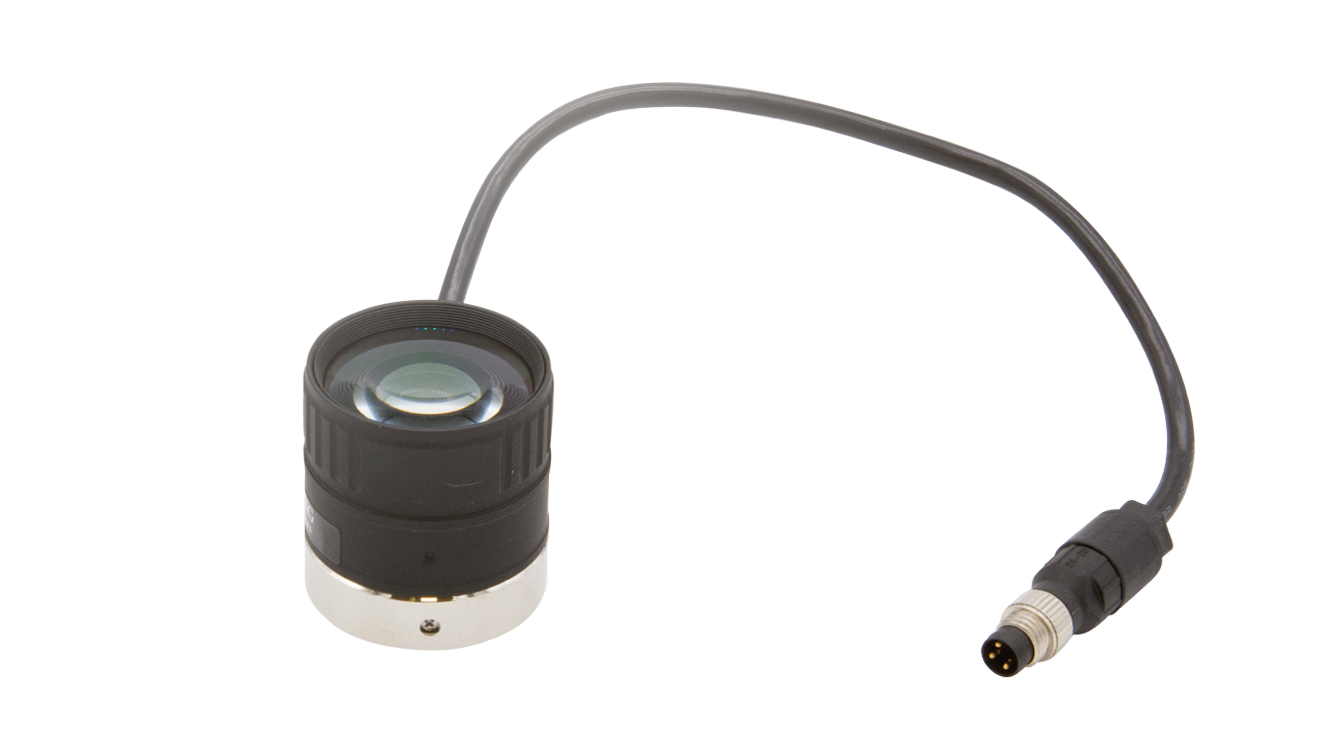
Perfect focus: Electronically adjust the camera image while the system is running using the AO000619 liquid lens
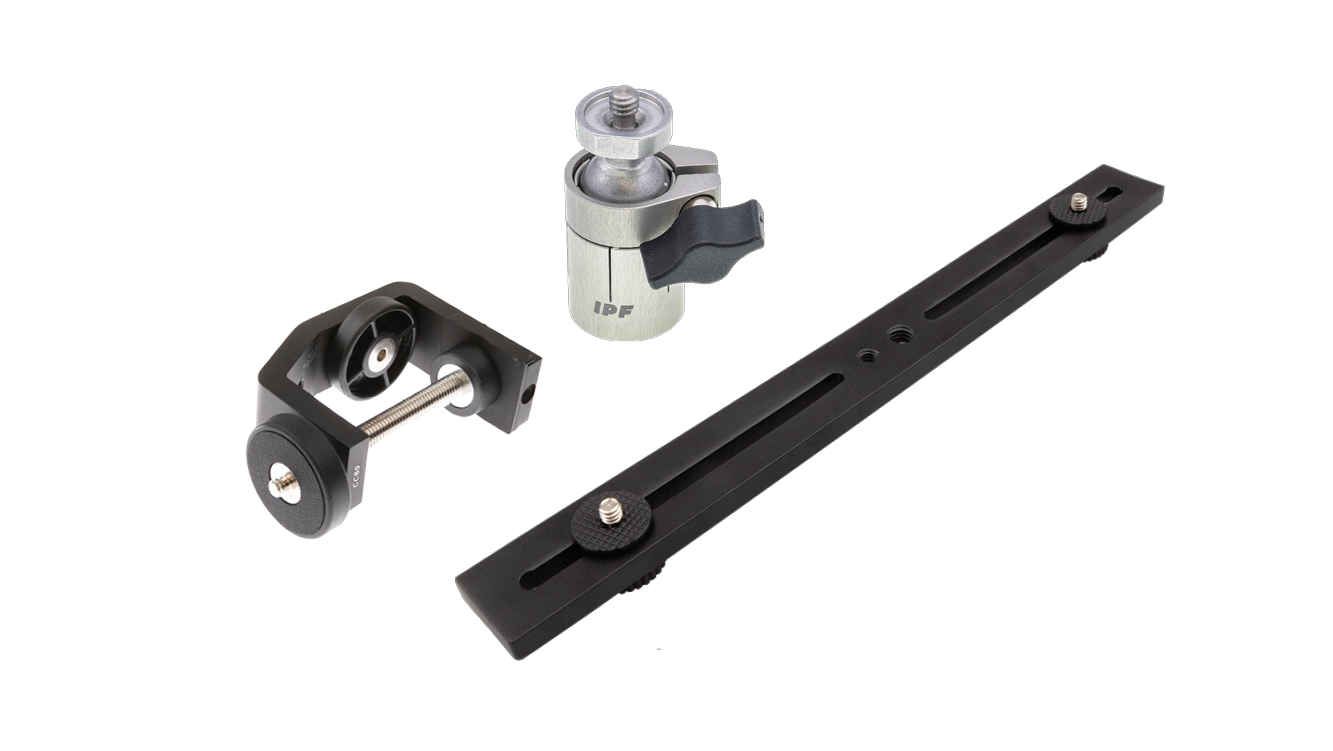
Many companies already rely on OC29 high-speed cameras to identify defects or document manufacturing quality.
Here is a selected real-world example:
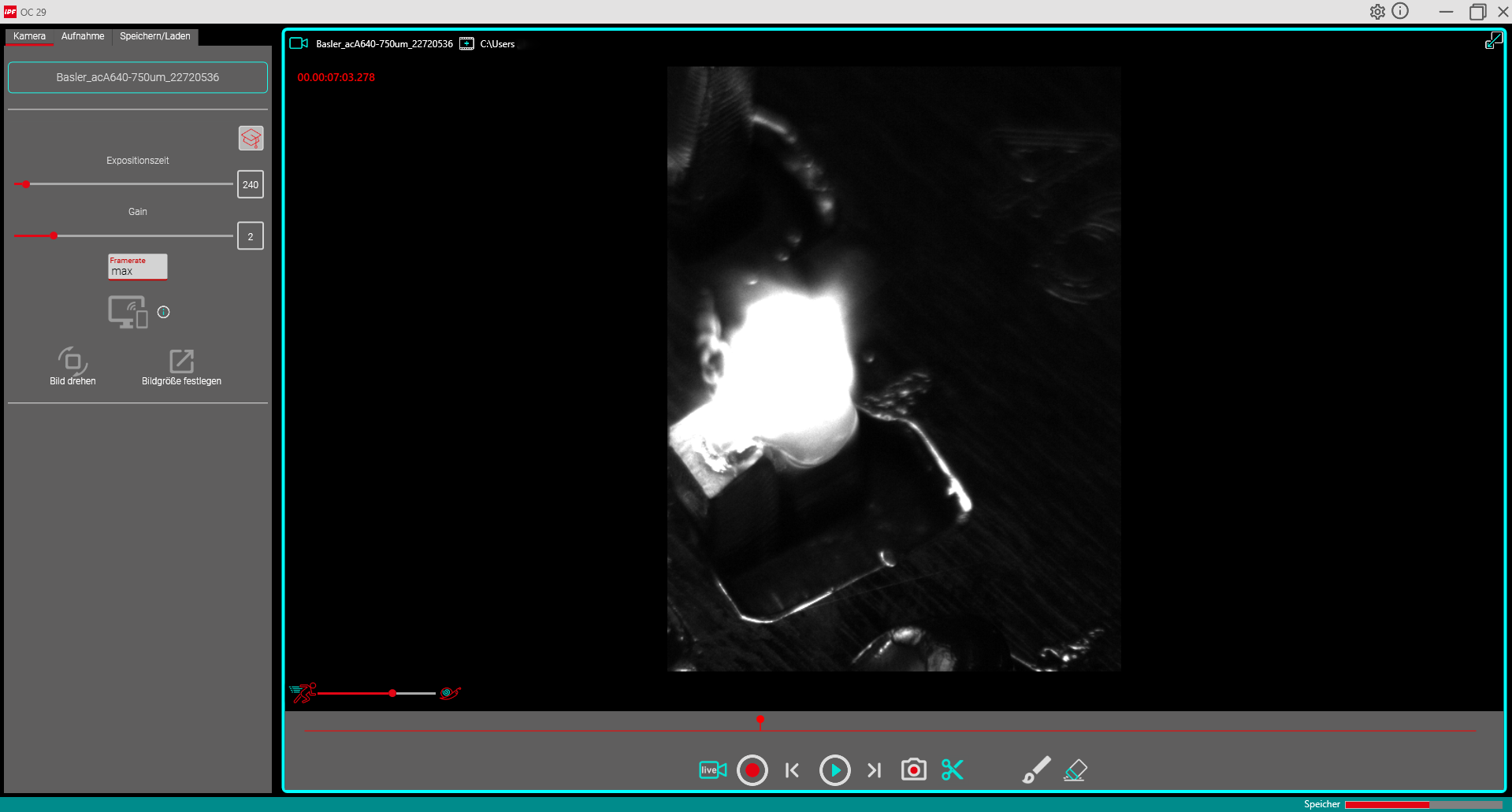
Case study: Quality Control in Plasma Welding
Initial Situation
A company specializes in welding various metal components using different welding processes.
For quality control purposes, the company wants to assess the behavior of the molten pool during laser welding.
The process is to be recorded, and the results analyzed and documented.
A challenge: the intense light generated by the plasma during welding causes overexposure in conventional camera recordings, resulting in the loss of a significant amount of image information.
The solution from ipf electronic
A high-speed camera OC299725 (monochrome), frame rate 750 fps, resolution 640 x 480.
A lens filter that allows only the light needed for the recording to pass through.
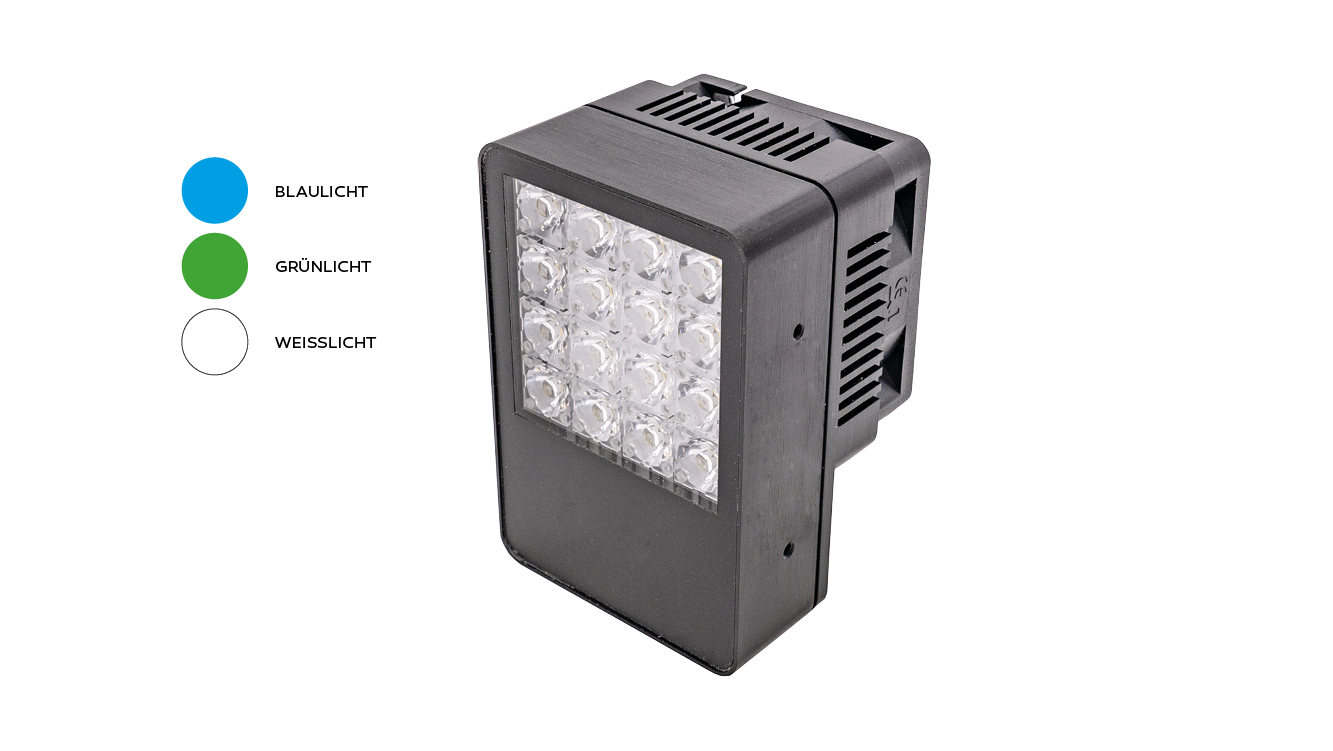
Additional lighting to ensure sufficient light for usable image recordings.
The result
The laser welding process is now precisely captured. By analyzing the recordings, potential problems or opportunities for optimization can be identified. The recordings are archived for complete documentation of welding quality.