ipf_pre_press_release_color_sensors_contrast_sensors_en.docx
1.7 MB
Color sensors from ipf electronic as self-learning contrast sensors
Color sensors from ipf electronic can also be used as self-learning contrast sensors and are ideally suited for controlling spraying processes thanks to effective contamination compensation, as a specific example shows.
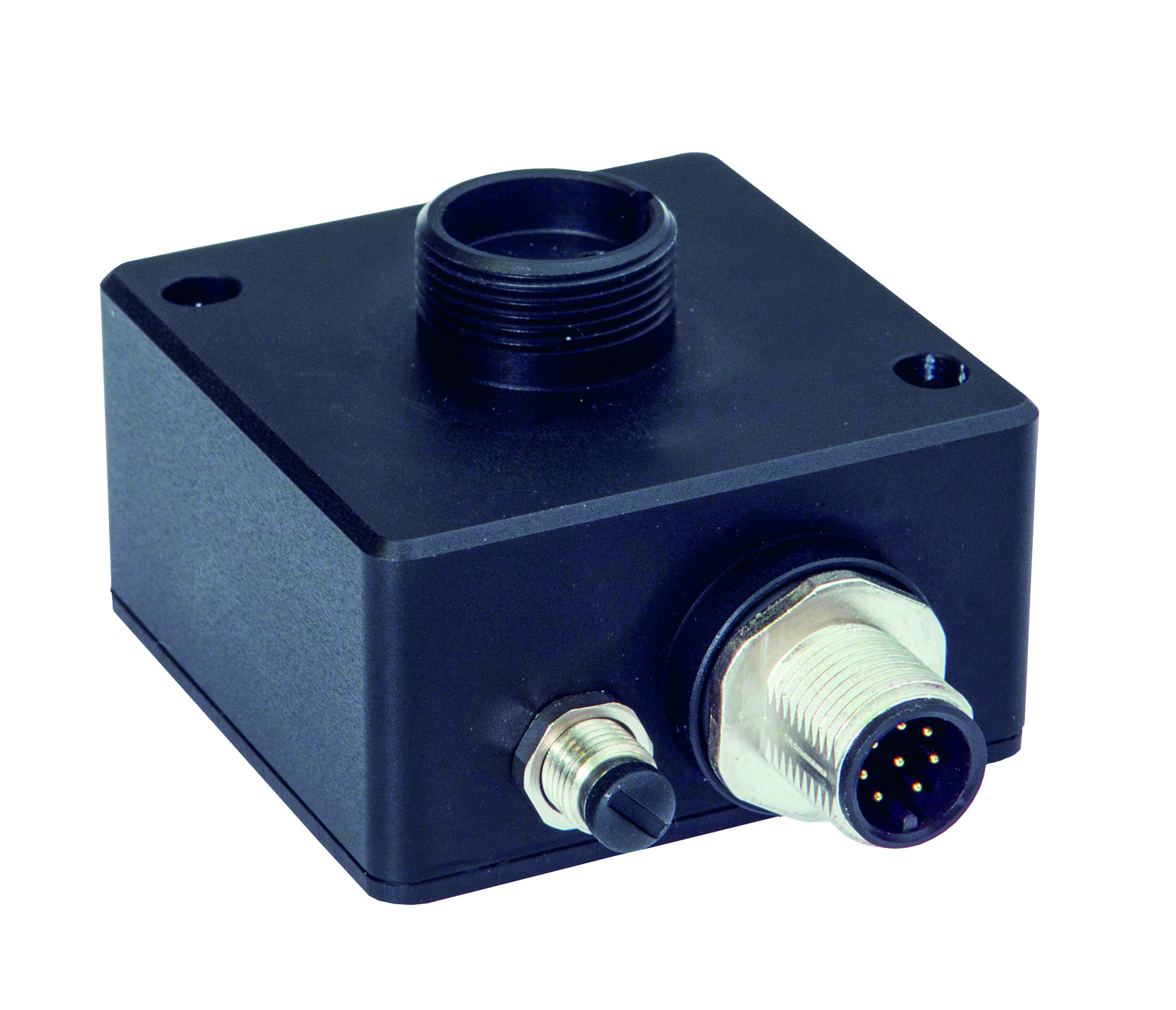
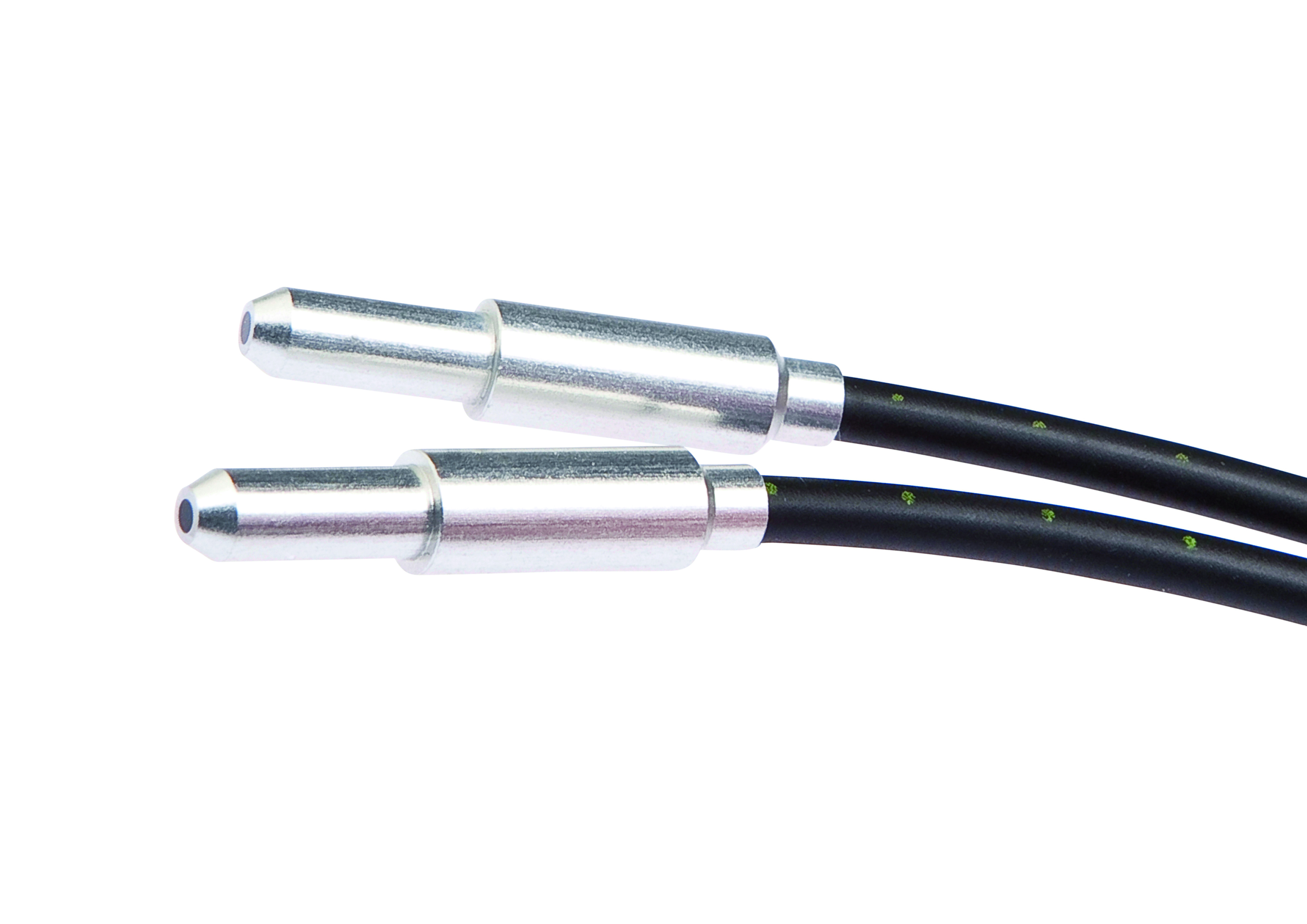
The color sensors in the OF50, OF51 and OF65 are tried-and-tested optical solutions and an integral part of the ipf electronic product portfolio. With the help of the free software for the devices, users have a wide range of potential for parameterization and evaluation with a wealth of functions for individual settings of the sensors. Various optics are available for this purpose. Various fiber optic systems (plastic and glass fiber) with a large selection of front optics offer even more design freedom.
Influence of light intensity on the evaluation
Depending on the requirements, it is sometimes very important to compensate for fluctuations in the intensity of the light reflected by an object, e.g. caused by positioning inaccuracies, or to evaluate the intensity "on an equal footing" with the self-test color recognition for very precise inquiries. For this purpose, the parameterization software provides various calculation modes for evaluating the colour space.
Color sensors as contrast sensors
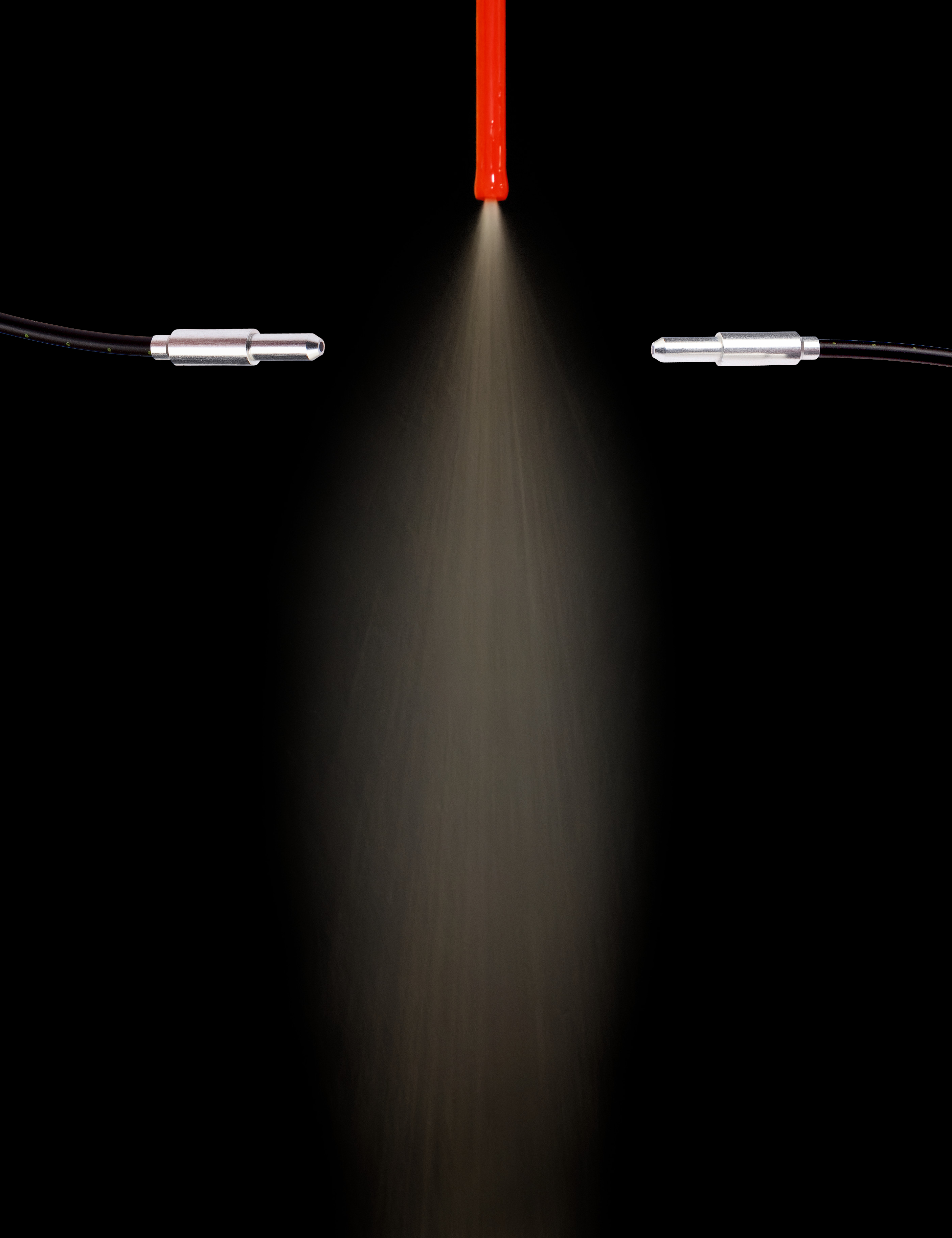
This opens up the possibility of using the color sensors as high-precision contrast sensors. In this way, for example, processing conditions on metallic surfaces or light-dark gradients on objects with minimal color deviation can be checked using diffuse reflection sensors. Typical applications also include the detection of transparent liquids in glass containers and transparent hoses or the monitoring of spraying processes with a one-way barrier system.
Effective contamination compensation
However, spray processes in particular can lead to deposits on the optics of the photoconductive fiber optics due to the spray mist. The sensors solve this problem with very effective contamination compensation. For this purpose, a short teach command is issued by a higher-level PLC (programmable logic controller) after the end of the spraying process in order to reteach the signal or status in the now free beam path between the transmitter and receiver. The light output or light intensity is also reset within the specified limits. This new parameterization is stored in the sensor's RAM and used for the next spraying process. The sensor thus becomes a self-learning system, so to speak, without changing the parameterization originally stored in the device.
Further links