Infrared sensors
Temperature is one of the physical quantities that is most frequently measured in many industrial applications and processes. In general, a distinction can be made between contactless and wetted measuring principles. Wetted temperature measurement is usually carried out using a PT100 thermal resistor as a sensor, which is connected to an evaluation unit or a display unit to determine or visualize the measured temperature. However, such solutions cannot be used in many areas, e.g. because the measurement should not come into contact with the medium, the devices are disturbed by the heat radiation of an object or the prevailing environmental conditions are soiling them to such an extent that no usable measurement results can be obtained.
In these and many other cases, the use of infrared sensors is recommended. These devices are contactless and therefore completely wear-free, as no system component, e.g. the sensor, requires contact with the medium or object to determine the temperature. Within optical sensors, such devices occupy a special position to a certain extent, as they convert the infrared radiation emitted by objects into an electrical signal. This signal is amplified and transformed into a measured value linearized in proportion to the object temperature, which can be output as a switching or analogue signal.
One of the most common tasks of infrared sensors is to determine the surface temperature of objects that are difficult to access or moving, especially if they have a high level of heat radiation. The potential fields of application for infrared sensors are therefore extremely wide-ranging, for example in forges, rolling mills or steel processing companies in general.
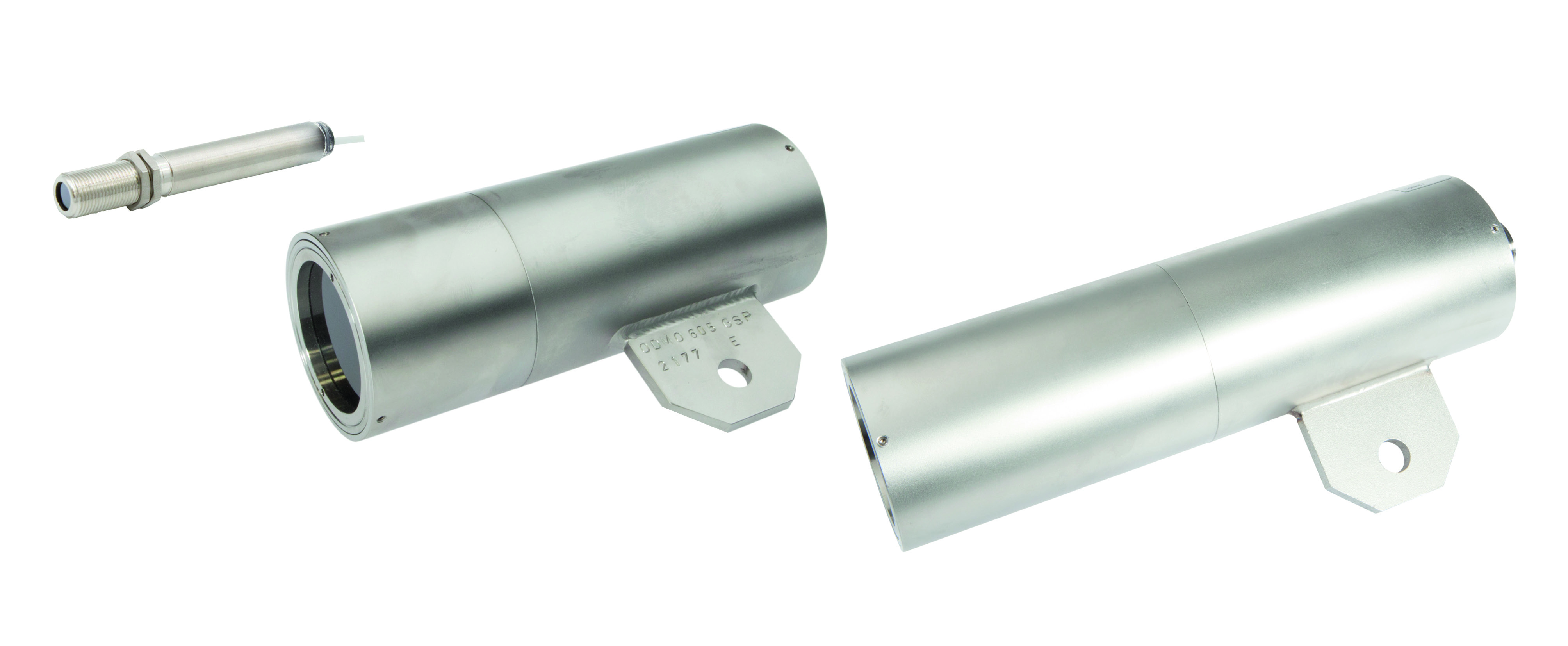
This white paper provides some essential basics on contactless temperature measurement using infrared technology and presents some concrete solutions from ipf electronic's extensive portfolio of infrared sensors.
Downloads to the article